As a supplier of alu honeycomb panels, I often receive inquiries about the standard size of these versatile products. Alu honeycomb panels are widely used in various industries, including architecture, interior design, aerospace, and automotive, due to their lightweight, high strength, and excellent flatness. In this blog post, I will discuss the standard sizes of alu honeycomb panels and provide some insights into custom sizing options.
Standard Sizes of Alu Honeycomb Panels
The standard size of alu honeycomb panels can vary depending on the manufacturer and the specific application. However, there are some common sizes that are widely available in the market. Here are the typical dimensions for alu honeycomb panels:
- Thickness: The thickness of alu honeycomb panels usually ranges from 3mm to 50mm. Thinner panels (3mm - 6mm) are commonly used for interior applications such as wall cladding, partitions, and furniture. Thicker panels (10mm - 50mm) are more suitable for structural applications in architecture and aerospace, where higher strength and rigidity are required.
- Width: The standard width of alu honeycomb panels is typically between 1220mm and 2440mm. This width is compatible with common building materials and construction practices, making it easier to install the panels in various projects.
- Length: The length of alu honeycomb panels can vary from 2440mm to 6000mm or more. Longer panels are often used in large - scale projects to minimize the number of joints and improve the overall aesthetics of the installation.
These standard sizes are designed to meet the general needs of most applications. However, it's important to note that different manufacturers may have slightly different standard dimensions, and custom sizes can also be produced to meet specific project requirements.
Factors Affecting the Choice of Size
When selecting the size of alu honeycomb panels for a project, several factors need to be considered:
- Application: The intended use of the panels is a crucial factor. For example, in interior design, thinner and smaller - sized panels may be more appropriate for creating detailed and decorative elements. In contrast, in architecture and industrial applications, larger and thicker panels are often required to provide structural support.
- Installation Method: The installation method can also influence the size of the panels. If the panels are to be installed using a simple adhesive - based method, smaller sizes may be easier to handle. On the other hand, if a mechanical fixing system is used, larger panels can be installed more efficiently.
- Transportation and Handling: The size of the panels should be compatible with transportation and handling capabilities. Larger and heavier panels may require special transportation equipment and handling procedures, which can add to the overall cost of the project.
Custom Sizing Options
As a supplier, we understand that many projects have unique requirements that cannot be met by standard sizes. That's why we offer custom sizing options for alu honeycomb panels. Our advanced manufacturing facilities and experienced engineering team allow us to produce panels in a wide range of sizes and specifications.
Whether you need a non - standard thickness, width, or length, we can work with you to develop a solution that meets your exact needs. Custom - sized panels can be particularly beneficial for large - scale projects, such as commercial buildings, museums, and exhibition halls, where unique designs and precise dimensions are essential.
Examples of Different Applications and Sizes
- Interior Design: In interior design, alu honeycomb panels are often used for wall cladding, ceiling panels, and furniture. For wall cladding, thinner panels with a thickness of 3mm - 6mm and standard widths and lengths are commonly used. These panels can be cut and shaped to create various patterns and designs. For example, Honeycomb Wood Panel Suppliers may offer panels in smaller sizes for creating detailed and decorative wall features.
- Architecture: In architecture, alu honeycomb panels are used for building facades, curtain walls, and structural elements. Thicker panels with a thickness of 10mm - 50mm are typically required to provide the necessary strength and rigidity. Larger panels are also preferred to minimize the number of joints and create a seamless appearance. For instance, in large - scale commercial buildings, panels with a width of 2440mm and a length of 6000mm or more may be used.
- Art and Design: Artists and designers often use alu honeycomb panels for their creative projects. Honeycomb Aluminum Panels For Artists may offer panels in various sizes to accommodate different artistic visions. Smaller panels can be used for detailed artworks, while larger panels are suitable for large - scale installations.
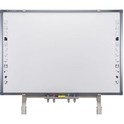
- Electronic Whiteboards: In the field of education and corporate environments, alu honeycomb panels are used to make electronic whiteboards. Aluminum Honeycomb Electronic Whiteboard typically have specific size requirements to ensure compatibility with display systems and installation spaces. Standard sizes for electronic whiteboards may vary, but they are often designed to fit common classroom or meeting room dimensions.
Conclusion
The standard size of alu honeycomb panels provides a good starting point for most projects, but custom sizing options offer greater flexibility and the ability to meet unique requirements. As a supplier, we are committed to providing high - quality alu honeycomb panels in a variety of sizes to meet the diverse needs of our customers.
If you are planning a project that requires alu honeycomb panels, we encourage you to contact us to discuss your specific requirements. Our team of experts can help you select the right size and specifications for your project and provide you with a competitive quote. Whether you need standard - sized panels or custom - made solutions, we have the expertise and resources to deliver the products you need.


References
- Aluminum Association. (Year). Aluminum Honeycomb Panel Technical Guide.
- Industry reports on building materials and interior design.