Hey there! As a supplier of EMI shielding sheets, I often get asked about how these nifty sheets work to reduce electromagnetic interference (EMI). So, I thought I'd break it down in this blog post and give you a clear understanding of the whole process.


What's EMI Anyway?
First things first, let's talk about electromagnetic interference. In simple terms, EMI is the disruption caused by electromagnetic radiation to an electronic device. It can come from various sources, like radio waves, power lines, and even other electronic devices. This interference can mess up the normal functioning of electronics, leading to things like signal loss, data corruption, and even complete system failure. And that's where EMI shielding sheets come in.
How EMI Shielding Sheets Work
EMI shielding sheets are designed to block or reduce the amount of electromagnetic radiation that reaches a sensitive electronic component. They work based on two main principles: absorption and reflection.
Absorption
Some EMI shielding sheets are made of materials that can absorb electromagnetic energy. These materials have special properties that allow them to convert the electromagnetic waves into heat. For example, carbon-based materials are often used in EMI shielding because they have good absorption capabilities. When an electromagnetic wave hits the shielding sheet, the carbon atoms in the material start to vibrate, and this vibration converts the energy of the wave into heat. This way, the energy of the electromagnetic wave is dissipated, and the interference is reduced.
Reflection
Another way EMI shielding sheets work is by reflecting the electromagnetic waves. Metal is a common material used for this purpose. Metals have a high electrical conductivity, which means they can easily conduct electric currents. When an electromagnetic wave hits a metal shielding sheet, the free electrons in the metal start to move in response to the electric field of the wave. This movement of electrons creates an opposing electric field that reflects the incoming wave. So, instead of the wave passing through the shielding and reaching the sensitive electronic component, it bounces off the shielding and goes in another direction.
Types of EMI Shielding Sheets
There are several types of EMI shielding sheets available in the market, each with its own unique properties and applications.
Conductive Polymer Sheets
Conductive polymer sheets are made of polymers that have been doped with conductive materials, such as carbon or metal particles. These sheets are lightweight, flexible, and easy to process, making them suitable for a wide range of applications. They are often used in consumer electronics, like smartphones and tablets, to reduce EMI.
Metal Foil Sheets
Metal foil sheets, such as copper or aluminum foil, are one of the most common types of EMI shielding sheets. They have excellent conductivity and can provide high levels of shielding. Metal foil sheets are often used in industrial electronics, automotive applications, and aerospace industries.
Metal Honeycomb
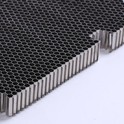
Metal honeycomb is another type of EMI shielding material. It consists of a series of hexagonal cells made of metal, which provide a large surface area for electromagnetic waves to interact with. Metal honeycomb can be used in applications where high levels of shielding are required, such as military and aerospace electronics.
customized steel honeycomb core and Steel Honeycomb Core
These are specialized types of EMI shielding materials that offer unique advantages. The honeycomb structure provides excellent mechanical strength and can be customized to meet specific requirements. They are often used in applications where both EMI shielding and structural support are needed, such as in the construction of electronic enclosures.
Factors Affecting EMI Shielding Performance
The performance of EMI shielding sheets can be affected by several factors, including the material properties, the thickness of the sheet, and the frequency of the electromagnetic waves.
Material Properties
As mentioned earlier, different materials have different EMI shielding capabilities. Metals generally have better conductivity and can provide higher levels of shielding compared to non-metallic materials. However, the choice of material also depends on other factors, such as cost, weight, and flexibility.
Thickness of the Sheet
The thickness of the EMI shielding sheet also plays an important role in its performance. Generally, thicker sheets provide better shielding than thinner ones. However, increasing the thickness also increases the weight and cost of the shielding. So, it's important to find a balance between shielding performance and other requirements.
Frequency of the Electromagnetic Waves
The frequency of the electromagnetic waves can also affect the shielding performance. Different materials have different frequency responses, and some materials may be more effective at shielding certain frequencies than others. For example, some materials may be better at shielding low-frequency waves, while others may be more effective at high frequencies.
Applications of EMI Shielding Sheets
EMI shielding sheets are used in a wide range of applications to protect electronic devices from electromagnetic interference.
Consumer Electronics
In consumer electronics, such as smartphones, tablets, and laptops, EMI shielding sheets are used to reduce the interference caused by the internal components and external sources. This helps to improve the performance and reliability of the devices.
Industrial Electronics
In industrial electronics, EMI shielding sheets are used to protect sensitive equipment from electromagnetic interference in harsh environments. For example, they are used in control systems, power supplies, and communication equipment.
Automotive Industry
In the automotive industry, EMI shielding sheets are used to protect the electronic systems in vehicles from electromagnetic interference. This is important for the safety and reliability of the vehicles, as well as for the proper functioning of the electronic components.
Aerospace and Defense
In the aerospace and defense industries, EMI shielding sheets are used to protect critical electronic systems from electromagnetic interference. These systems are often exposed to high levels of electromagnetic radiation, and EMI shielding is essential to ensure their proper operation.
Why Choose Our EMI Shielding Sheets
As a supplier of EMI shielding sheets, we offer a wide range of products that are designed to meet the specific needs of our customers. Our sheets are made of high-quality materials and are manufactured using the latest technology to ensure excellent shielding performance. We also offer customized solutions to meet the unique requirements of different applications.
If you're looking for reliable EMI shielding sheets, we'd love to hear from you. Whether you're in the consumer electronics, industrial, automotive, or aerospace industry, we can provide you with the right solution for your needs. Contact us today to start a discussion about your requirements and let's work together to find the best EMI shielding solution for you.
References
- Electromagnetic Compatibility Engineering by Henry W. Ott
- Handbook of Electromagnetic Compatibility by Clayton R. Paul
So, that's a brief overview of how EMI shielding sheets work to reduce electromagnetic interference. I hope this blog post has been helpful to you. If you have any questions or need more information, feel free to reach out.